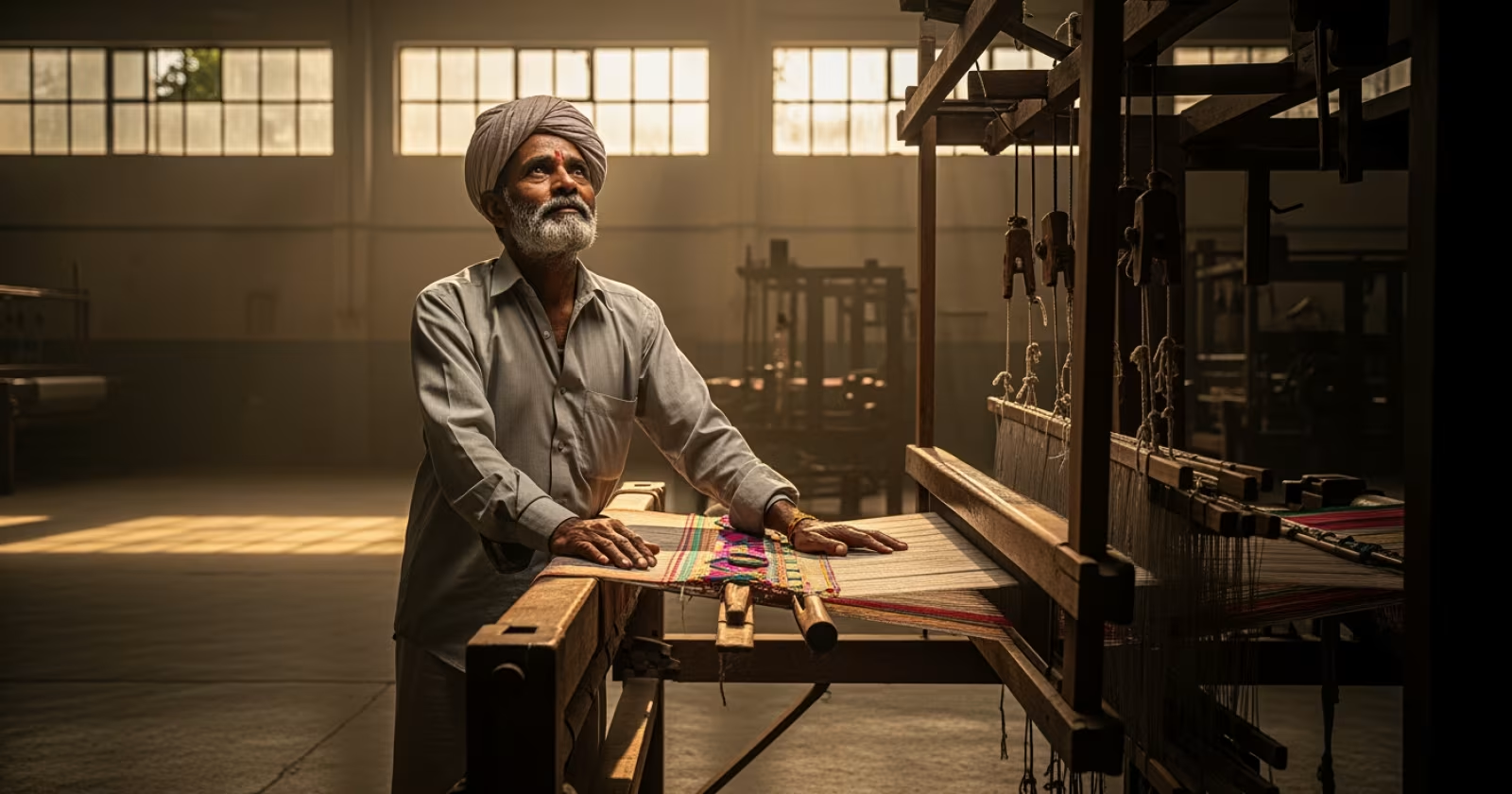
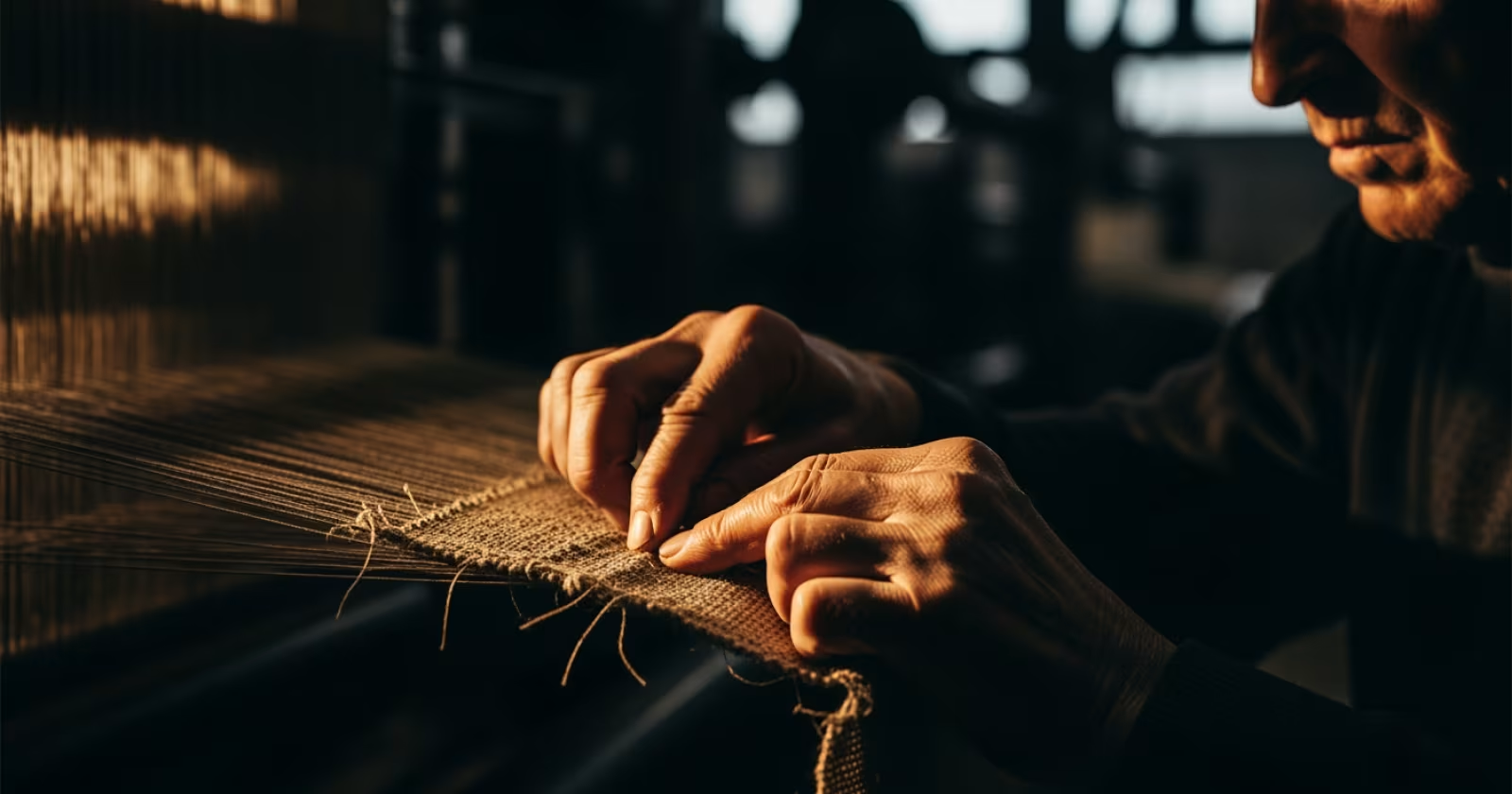
In a narrow lane off Madanpura in Varanasi, a pit loom clacks at a rhythm that has not changed in three centuries — but the man operating it earns less in a month than a food delivery rider earns in a week. I travelled to this ancient ghaat city in early 2026 to understand why Varanasi’s handloom weavers cooperative — once the backbone of a ₹3,000 crore Banarasi silk economy — is now locked in what members call an existential fight against powerloom duplicates and the ruthless economics of fast fashion.
Mohammed Irfan, a third-generation weaver in the Lohta cluster, showed me a kadhua brocade saree he spent 22 days weaving. His cooperative pays him approximately ₹8,500 for it. An almost-identical powerloom copy, produced in Surat in under four hours, retails on e-commerce platforms for ₹1,200. That single statistic tells you everything about the crisis — and the courage it takes to keep the loom running.