
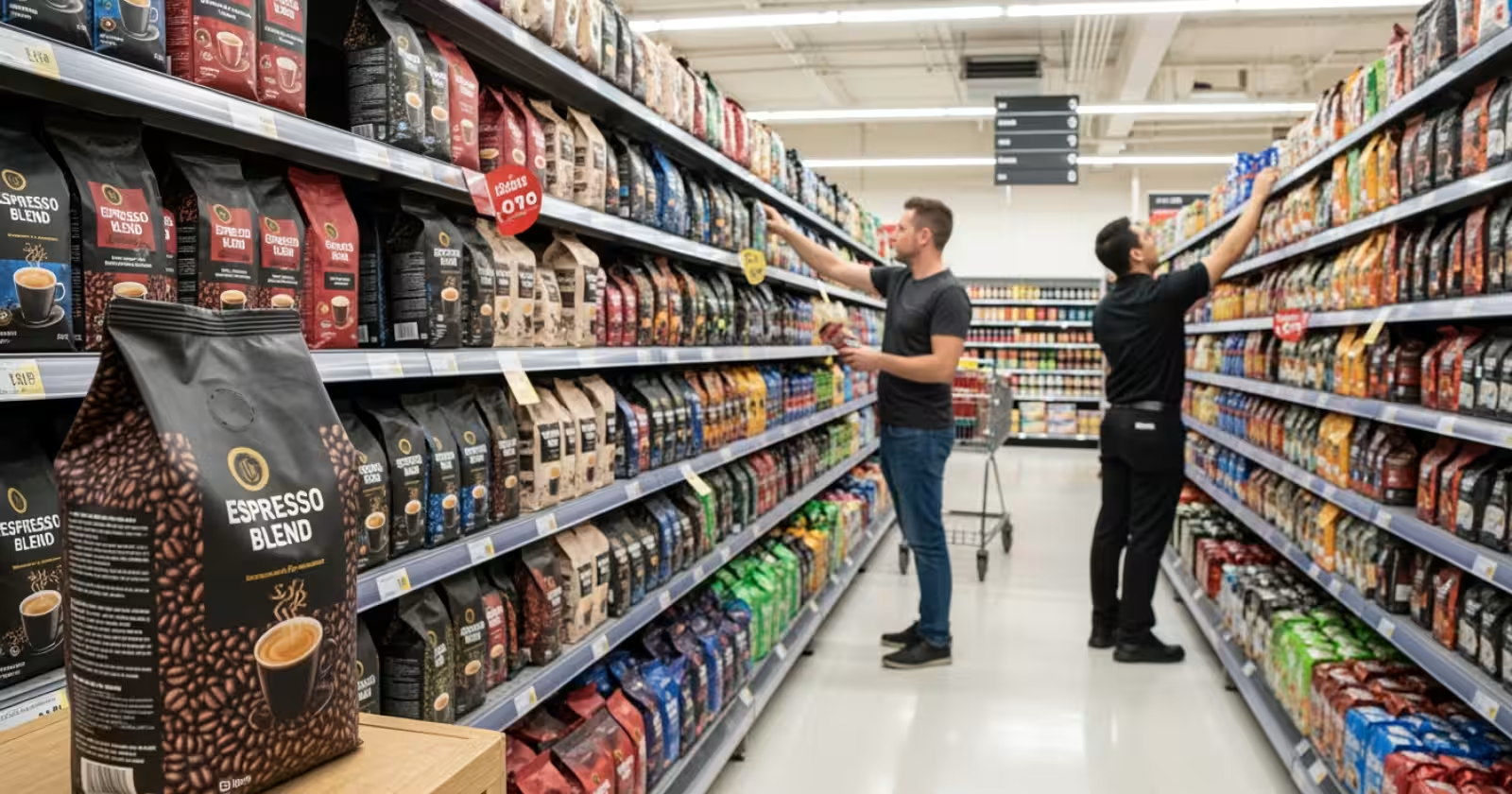
Cold coffee is now changing what wins shelf space, and St Ali’s move into Coles shows the category is no longer confined to cafés. For FMCG buyers and brand teams, that matters because chilled formats are starting to look less like a seasonal add-on and more like a permanent retail bet.
The coffee roaster has pushed its Italo Disco Espresso Concentrate into Coles nationally, extending a retail relationship that began with its core beans range in July 2024. The launch gives supermarket shoppers a ready-to-pour coffee option in a format that sits between at-home convenience and café-style indulgence.
What Is St Ali’s Coles Rollout and Why It Matters for FMCG
I see this as another sign that chilled coffee is moving deeper into mainstream grocery. Specialty coffee brands once relied on cafés and direct-to-consumer channels to protect their margin and story, but supermarket distribution now offers a broader route to volume.
That shift matters because coffee is still a crowded fixture category, yet consumers are fragmenting into smaller occasions. Some want a hot morning brew, while others want a chilled, sweeter, more shareable format they can keep in the fridge. In Australian grocery, that is exactly the sort of behaviour shift that can justify new facings, new pack sizes and new promotional strategies.
St Ali’s launch also fits the broader supermarket push to capture premium drink occasions at home. Coles has been steadily widening its chilled and ambient beverage offer, and brands that can translate café cachet into a supermarket pouch or bottle are gaining a better shot at basket share.
St Ali’s Italo Disco Espresso Concentrate in Coles
The company confirmed that Italo Disco Espresso Concentrate is now available nationwide at Coles in a 750ml pouch with an RRP of $22. That gives the product a clear premium positioning, well above basic instant coffee and closer to the kind of price architecture shoppers expect from speciality-led drinks.
St Ali also said the rollout follows the July 2024 introduction of its core range of freshly roasted coffee beans into Coles stores. The retailer relationship has therefore moved from a single coffee format into a broader portfolio approach, which is often how niche brands earn more dependable shelf presence.
Lach Ward, St Ali’s CEO, said cold coffee is the most significant shift in consumption patterns the business has seen in its 21-year history. He pointed to internal company data from the brand’s South Melbourne cafe showing cold coffee variants now make up about 35 per cent of beverage sales.
That matters commercially because it shows the trend is not just a supermarket experiment. St Ali said innovative cold drinks, including the Biscoff Fredo, have become its top-selling signature products, overtaking traditional magics and black coffee.
| Format | Pack size | Price | Retail scope | Commercial role |
|---|---|---|---|---|
| Italo Disco Espresso Concentrate | 750ml pouch | $22 RRP | Coles nationwide | Premium chilled coffee occasion |
| Core freshly roasted coffee beans | Not disclosed | Not disclosed | Coles stores from July 2024 | Foundation retail range |
| Summer drinks range | Two new drinks plus larger cold brew | Not disclosed | Earlier 2026 expansion | Seasonal chilled growth |
The company also said its reading of the market is backed by global coffee chain data, with cold drinks accounting for about 60 per cent of total sales at major operators such as Starbucks. I would treat that as directional rather than predictive for Australian grocery, but it reinforces the scale of the format shift.
How the Format Works on Shelf and in the Fridge
Espresso concentrate works differently from a ready-to-drink coffee. It gives shoppers a flexible base they can pour over ice, mix with milk or use as a shortcut to a café-style drink at home.
That flexibility matters on shelf because it broadens the use case. A bottle or pouch can compete not only with iced coffee, but also with premium dairy drinks, flavoured milk and some cold brew products that fight for the same fridge real estate.
For retailers, that opens up a useful margin story if the product can hold premium pricing without heavy discounting. For suppliers, it offers a format that can travel better than fragile chilled drinks and can be easier to merchandise than a single-use café cup.
What This Does Not Change for Coffee Buyers
This launch does not mean every chilled coffee brand will win automatic scale. Coles still controls the shelf, the promotion calendar and the space available for new formats, and premium pricing will only work if repeat purchase follows.
It also does not change the structural pressure on smaller brands to prove velocity quickly. If cold coffee demand softens, retailers will still trim facings and protect the lines that move fastest.
For brand managers, category teams and buyers, the immediate benefit sits with suppliers that can pair café credibility with supermarket convenience. It also helps retailers that want to grow chilled beverage value without relying entirely on energy drinks or mainstream flavoured milks. The next few months will tell whether shoppers treat espresso concentrate as a novelty or as part of their regular coffee shop.
The Bigger Picture for Cold Coffee in Australian Grocery
I think this launch says more about category evolution than about one brand’s range extension. Cold coffee is now pulling premium brands into supermarket chillers, and that will keep reshaping how buyers think about coffee occasions, planograms and trade spend.
As more consumers shift between hot and chilled formats depending on season, time of day and price point, the winners will be the brands that can stretch across occasions without losing identity. That is why the move from beans to concentrate is important: it gives St Ali another way to defend relevance as grocery coffee becomes more fragmented and more premium.
If the product earns repeat purchase at Coles, every other specialty coffee brand will have to decide whether it wants a place in the fridge or a role in the café only.
I’d watch this launch closely if you manage coffee, chilled beverages or premium grocery. The signal is clear: cold coffee is no longer a side category, and the brands that adapt fastest will win the next round of shelf growth.