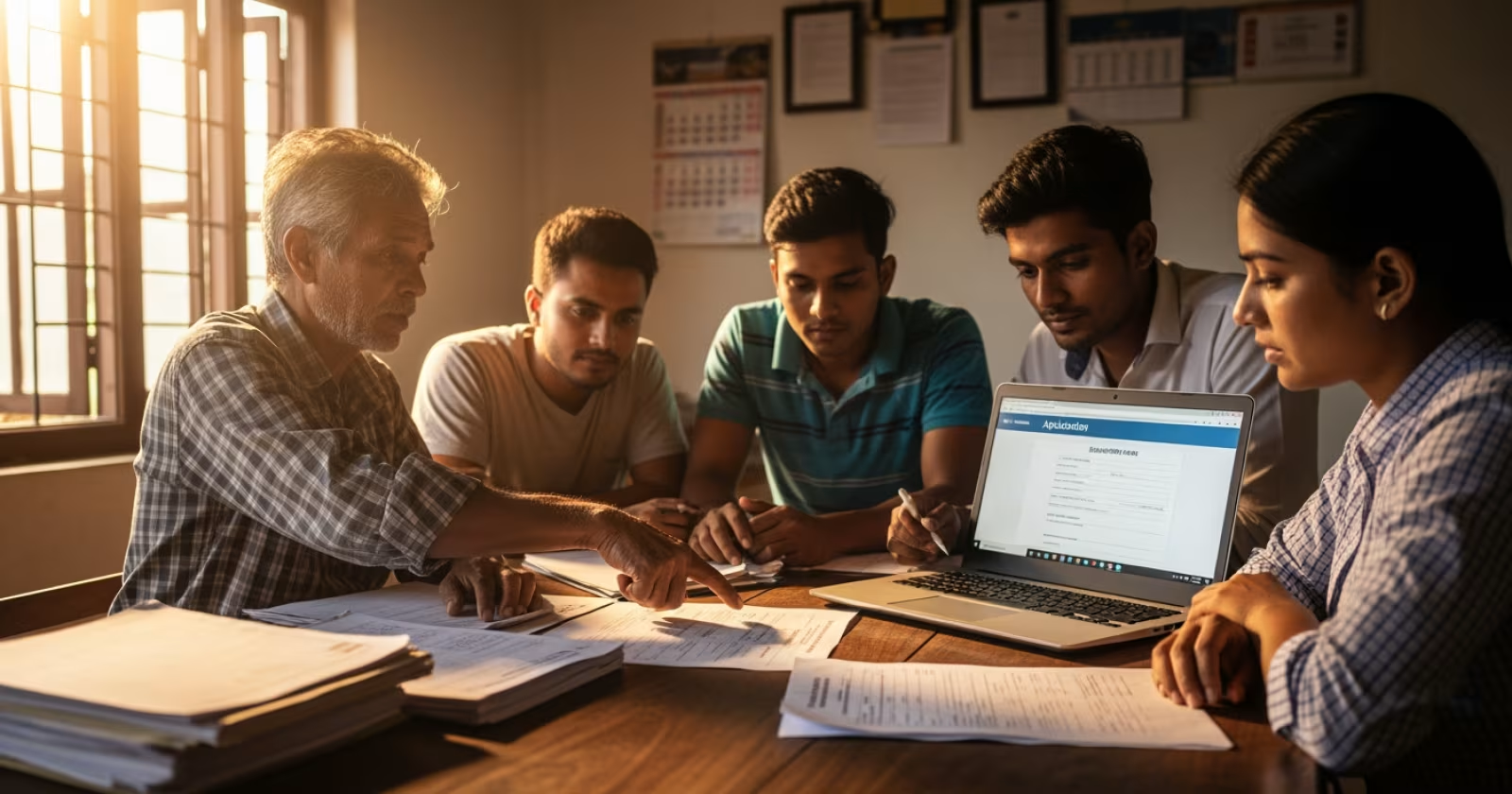



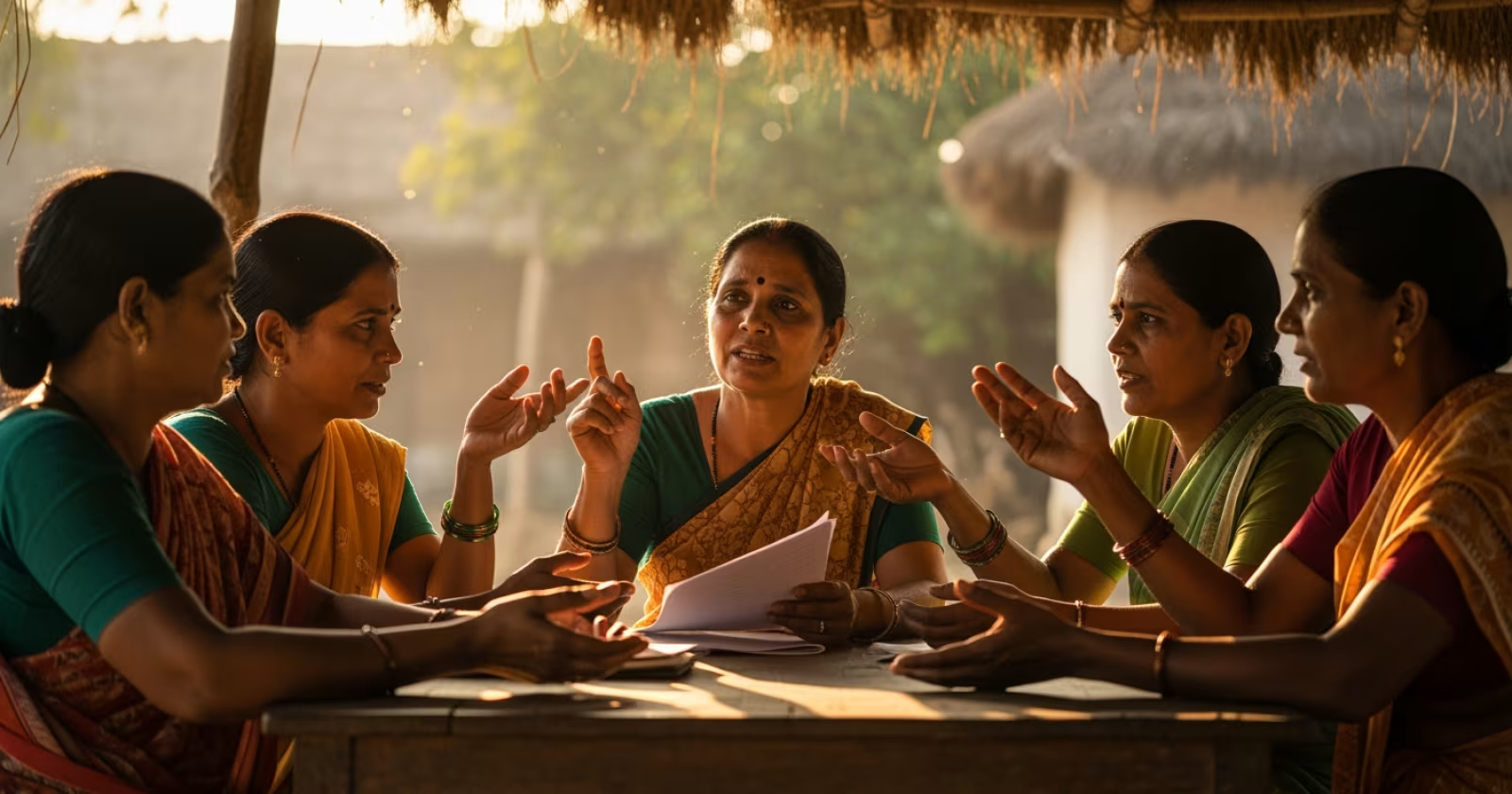


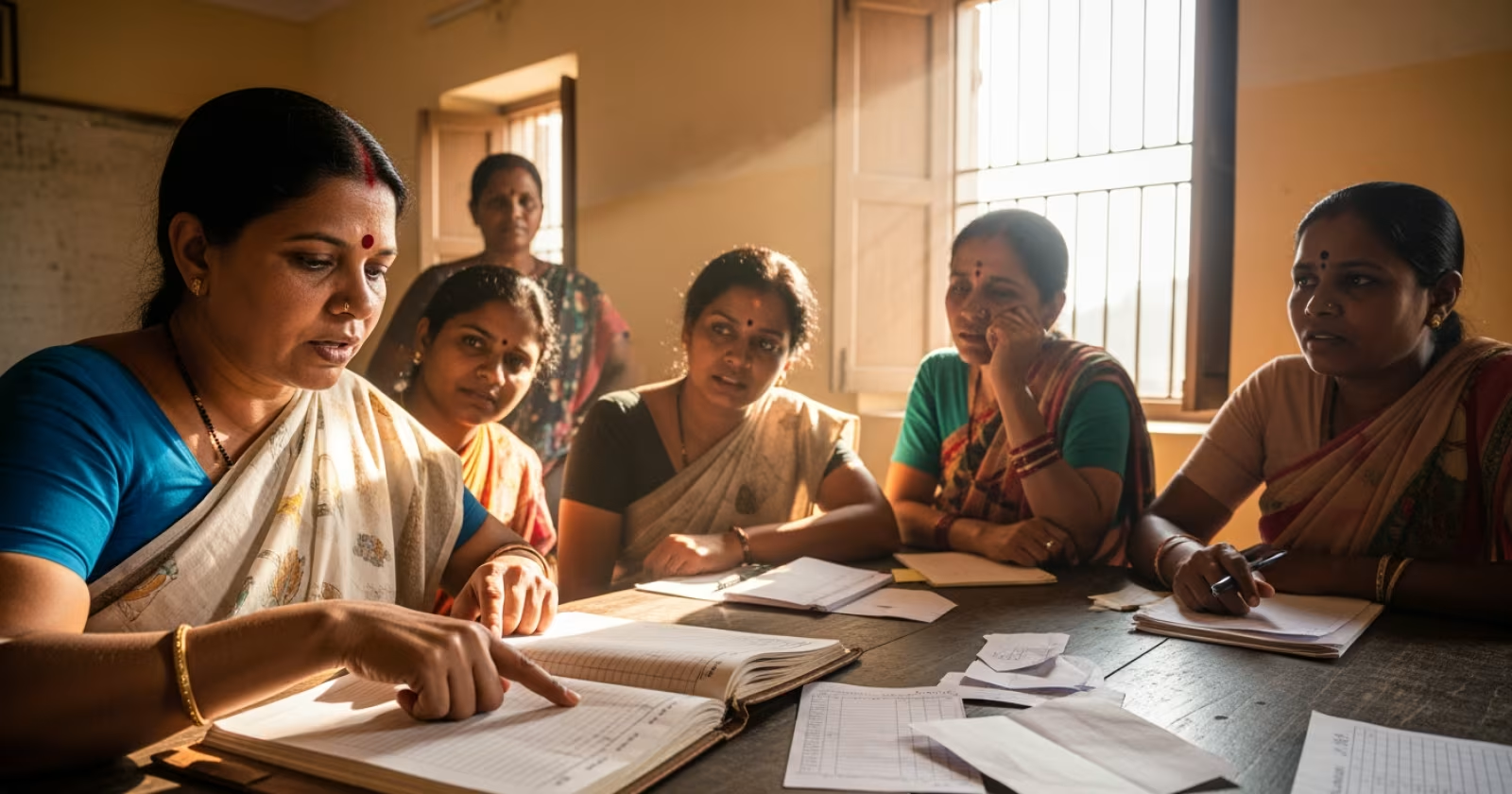
In a small rented room in Alappuzha district, a woman named Sreelatha once counted ₹47 in weekly savings collected from nine neighbours. That was 2001. Today, that same neighbourhood group manages a catering micro-enterprise turning over ₹12 lakh annually. I find her story remarkable not because it is unique — but because it has been replicated approximately 3.06 lakh times across every single ward in Kerala. This is the quiet, staggering mathematics of what cooperative mobilisation can achieve when women hold the ledger.
I have spent years covering India‘s cooperative sector for IICTF, and no model has fascinated me more than Kudumbashree — a name that translates to “prosperity of the family” in Malayalam. With over 4.5 million women members as of 2026, it is not merely Kerala’s pride; it is the single largest women-run cooperative network anywhere in Asia. Yet most Indians outside Kerala have only a vague sense of what it actually does or how it works. That gap deserves closing.