
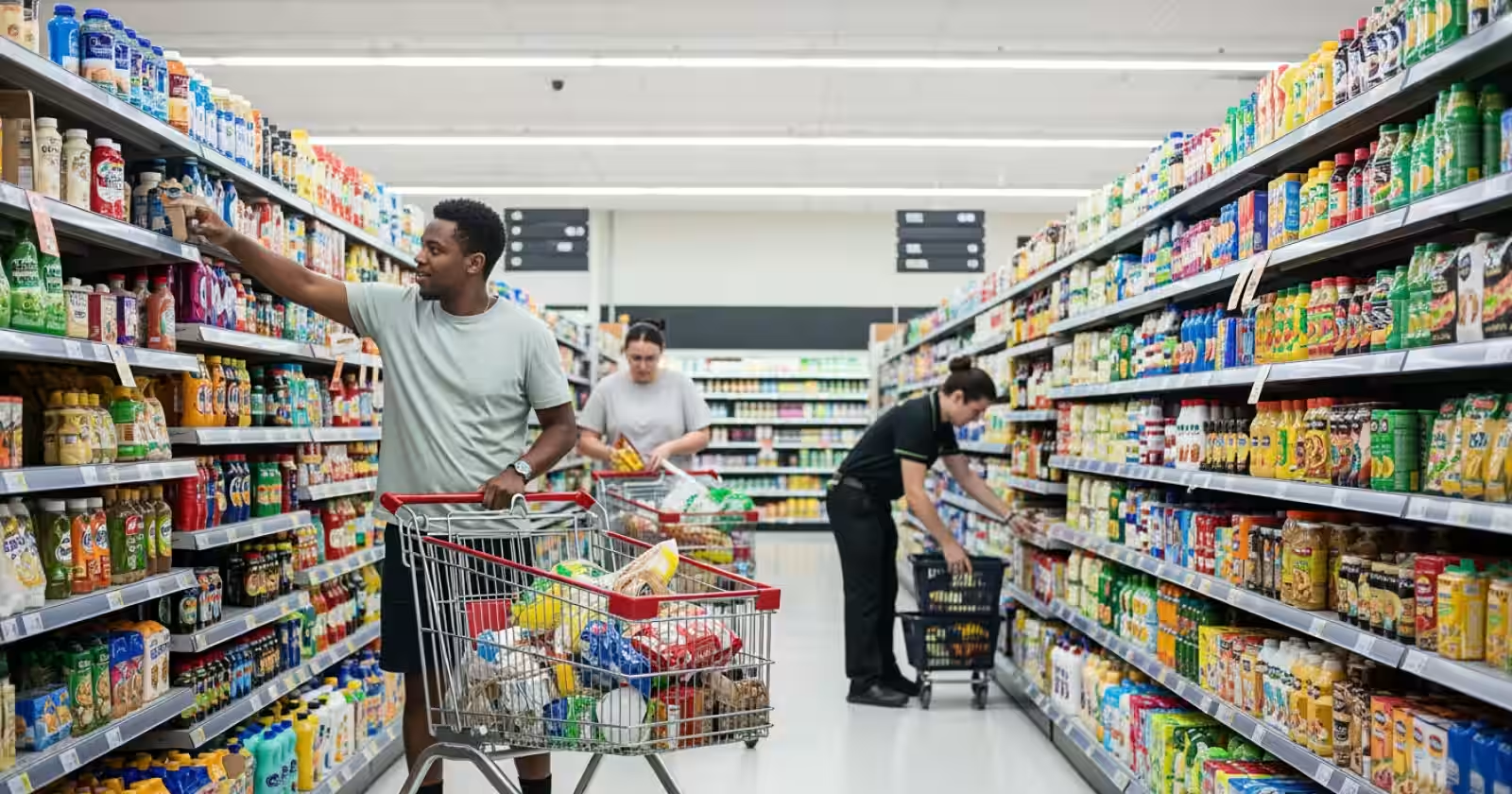
The clearest read on consumer confidence is not always in the headlines. It is often hiding in supermarket aisles, where shoppers quietly change pack size, brand choice and basket mix before they change their language about the economy.
For FMCG teams, that matters because aisle behaviour shows pressure earlier than most surveys. When shoppers trade down, delay purchases or lean harder into specials, the impact lands first in sales mix, margin and promotional strategy.
What supermarket aisles tell us about consumer confidence
Supermarket aisles are a live dashboard for household sentiment. They show whether shoppers still buy premium brands, whether they are hunting for value, and how much trust they place in bigger baskets versus top-up trips.
In Australia, that signal is especially useful because grocery is one of the few weekly spending categories where consumers reveal stress in real time. A rise in private label, a shift to smaller packs, or a stronger response to price cuts can all point to consumer confidence softening before official data catches up.
That is why this story matters to brand managers, buyers and category teams. If shoppers become more selective, retailers gain leverage over range, promo and shelf allocation, while suppliers face more scrutiny on price, pack architecture and value communication.
Why FMCG teams watch basket mix before sentiment surveys
The supermarket aisle tells a more practical story than a sentiment poll. Surveys measure what people say they feel, but shopping behaviour shows what they are prepared to spend this week.
That distinction matters because FMCG economics depend on frequency, basket size and mix. A shopper who keeps coming in but swaps from branded pasta sauce to a cheaper option may still look active in the category, yet the brand and margin outcome is very different.
The same goes for promotions. If more people wait for specials, retailers may sell volume but train the market to discount, which can put further pressure on net margin and supplier funding.
How supermarket aisles reflect consumer confidence in practice
In practice, I would read the aisle in three layers. First is the obvious trade-down effect, where shoppers move from premium to mainstream or from mainstream to private label. Second is the pack-size effect, where smaller packs and smaller basket values point to tighter budgets.
Third is the frequency effect, where shoppers change when and how often they buy. Top-up trips, mission-based shops and sharper responses to specials all suggest caution, even if aggregate spending holds up.
The table below shows how those signals usually present and what they mean commercially.
| Observed aisle signal | What it can indicate | Commercial implication |
|---|---|---|
| More private label buying | Shoppers are prioritising value | Pressure on branded share and premium ranges |
| Smaller pack sizes | Budget caution or tighter cash flow | Pack-price architecture becomes more important |
| Higher promo response | Shoppers are waiting for deals | Greater reliance on promotional mechanics |
| More top-up trips | Basket discipline is increasing | Retailers must defend share through mission clarity |
| Premium fatigue | Consumers question value-for-money | Brands need stronger reasons to trade up |
That does not mean every aisle shift proves a downturn. Sometimes it reflects seasonality, competitor pricing or a temporary category reset, which is why FMCG teams should watch the pattern over several weeks rather than one reporting period.
What this does not change for retailers and suppliers
Consumer confidence is not the only force shaping grocery sales. Supply issues, weather, product launches and retailer-specific promotions can all distort what appears on shelf.
It also does not mean all shoppers behave the same way. Households under pressure often cut non-essentials first, but affluent shoppers can still spend if they believe the quality or convenience is worth it.
For suppliers, the lesson is simple. Brands with clear value propositions, flexible pack architecture and strong supermarket execution will usually cope better when sentiment weakens. Retailers that read aisle behaviour quickly can sharpen ranging and promotions before the pressure becomes obvious in quarterly results.
The bigger picture for FMCG in 2026
What makes supermarket aisles such a useful guide is that they sit at the intersection of inflation, confidence and competitive behaviour. In 2026, that matters even more because shoppers have become more fluent in value cues, and retailers have become more aggressive in using price architecture to steer demand.
For FMCG, the real opportunity is not just spotting distress. It is using aisle signals to decide where to defend margin, where to lean into private label, and where to give shoppers a clearer reason to pay more. That is why the aisle remains one of the best early warnings in grocery.
If you are planning next quarter’s range, pricing or promo calendar, I would use aisle data as a commercial filter before the market forces the decision for you.