
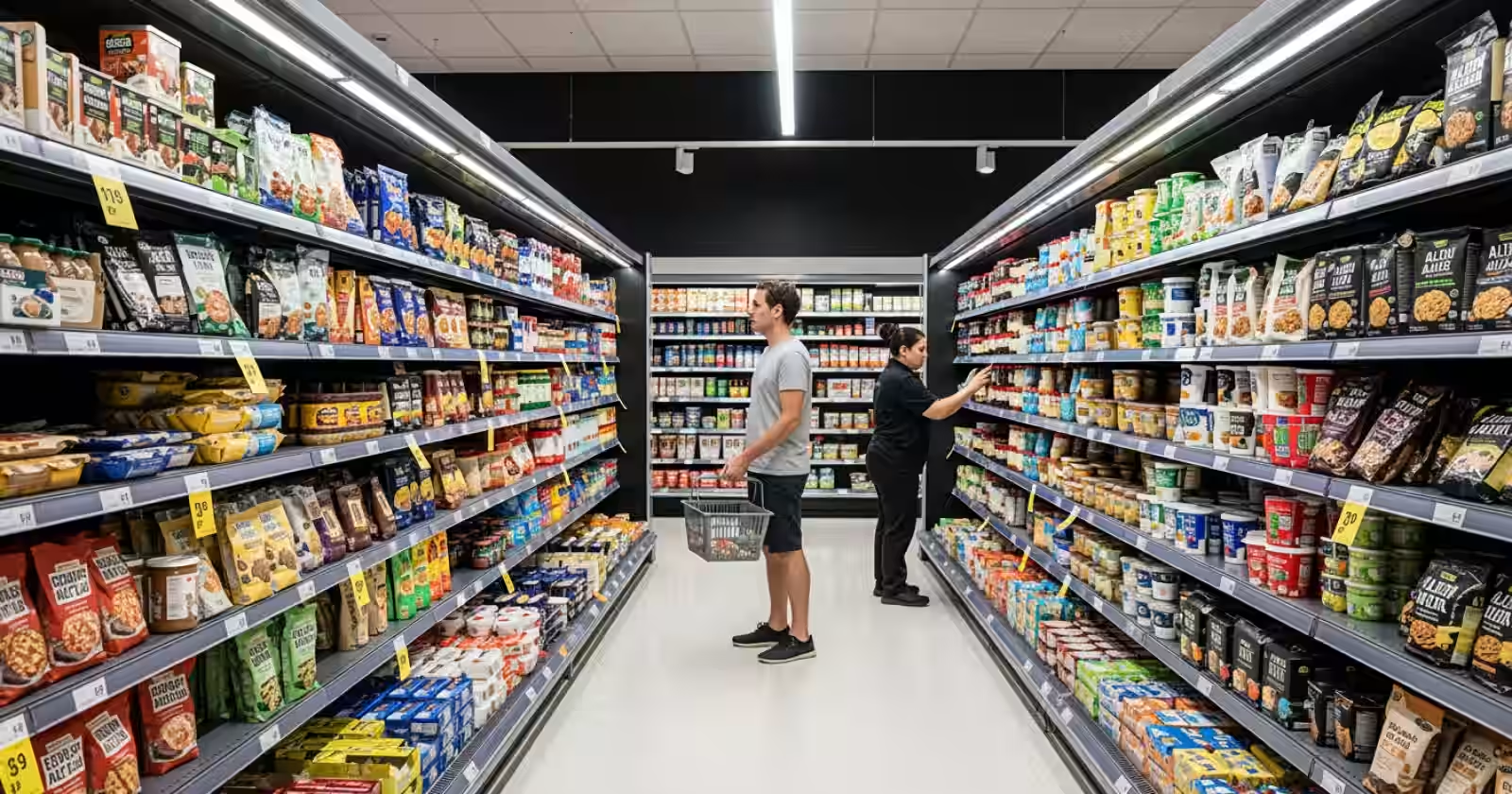
Australia’s plant-based alt-meats and dairy are not disappearing because of one bad quarter. They are losing the cultural and commercial momentum that once made them look like a permanent aisle expansion.
That matters for grocery buyers, brand managers and foodservice operators because shelf space is scarce and patience is shorter. When sales soften, the market does not just slow down; it starts to unwind.
What is plant-based alt-meat and dairy and why it matters for FMCG
Plant-based alt-meats and dairy are foods designed to replace meat, milk, cheese and other animal products using plant ingredients. In Australia, they moved from niche menus and specialist stores into mainstream retail with the promise of health, sustainability and innovation.
For FMCG players, the category mattered because it looked like a new growth engine. It offered premium pricing, fresh shopper segments and a way to signal modernity in a market where private label, protein and wellness are all pulling on the same dollar.
The commercial case was strong enough for the CSIRO to estimate in 2022 that the alternative protein market could be worth $13 billion by 2030. But a market forecast is not the same as a shopper habit, and that gap is now widening.
Plant-based alt-meats and dairy are losing momentum in Australia
The source report says Australia may be losing its appetite for plant-based products after several years of rapid growth. In Sydney alone, more than 10 up-market plant-based restaurants have closed in the past three years, including The Green Lion, which now operates only as a takeaway and commercial catering business.
Ovolo Hotels also closed its Sydney Alibi restaurant in 2024, winding back a plant-based dining pledge across its eight locations. That is a clear sign the category has moved from lifestyle statement to a tougher commercial test.
On retail shelves, Woolworths has removed Birds Eye plant-based products from stores. The supermarket cited “poor and declining” sales, while Vegan Australia, the Vegan Society of Aotearoa and Doctors For Nutrition responded with petitions and a formal letter.
| Signal | What happened | Commercial meaning |
|---|---|---|
| Foodservice | More than 10 Sydney plant-based restaurants closed in three years | Demand has not held up at premium dining level |
| Retail | Woolworths removed Birds Eye plant-based products | Shelf space has become harder to justify |
| Science and R&D | CSIRO cut back its food science program in March | Innovation support is no longer a top priority |
| Policy and advocacy | Plant-based groups pushed back publicly | The category still has a voice, but less leverage |
Why shopper demand is shifting away from plant-based alt-meats
The report points to three forces behind the slowdown. First, plant-based products appear to have lost some of their cultural pull as protein-maxxing takes off and more consumers chase high-protein diets built around animal products.
Second, there is growing scepticism about health. Not every alt-meat or dairy alternative is a clean-label win, and some products carry high sodium levels and additives that weaken the wellness pitch.
Third, meat and dairy industries have become more effective at framing livestock as essential to food production. That narrative is shaping consumer attitudes as well as policy debate, which is a problem for any brand relying on climate credentials alone.
What this means for supermarket buyers and suppliers
For buyers, the lesson is blunt: a plant-based range needs velocity, not just values. A product can win headlines, petitions and launch-day buzz, but if repeat purchase falters, it becomes a poor use of facings.
For suppliers, the pressure now sits on differentiation, taste and nutrition rather than category identity. I would expect the strongest performers to be products that look less like an ideological substitute and more like a useful everyday food.
Brands tied to premium foodservice will feel the strain first, while mainstream retailers will keep trimming anything that does not earn its space. Smaller start-ups will be the most exposed if funding stays tight and trial rates keep sliding.
The CSIRO retreat shows how fragile the plant-based category has become
The biggest signal may be institutional rather than retail. In March this year, the CSIRO announced major cuts to its food science program, signalling a shift away from precision fermentation and other alternative protein research.
That does not mean the science has stopped mattering. It does mean alternative protein no longer sits at the centre of public research ambition, which makes it harder for the category to claim long-term national momentum.
The broader FMCG trend is familiar: categories built on future promise can expand quickly, then shrink when they fail to deliver repeatable value. In this case, plant-based alt-meats and dairy are colliding with cost-of-living pressure, protein trends and a more sceptical view of processing.
For Australian retailers and food makers, the next move should be to treat plant-based alt-meats as a disciplined portfolio decision, not a moral signal. If you work on ranges, procurement or innovation, this is the moment to test what still earns shelf space and what has simply run out of story.