
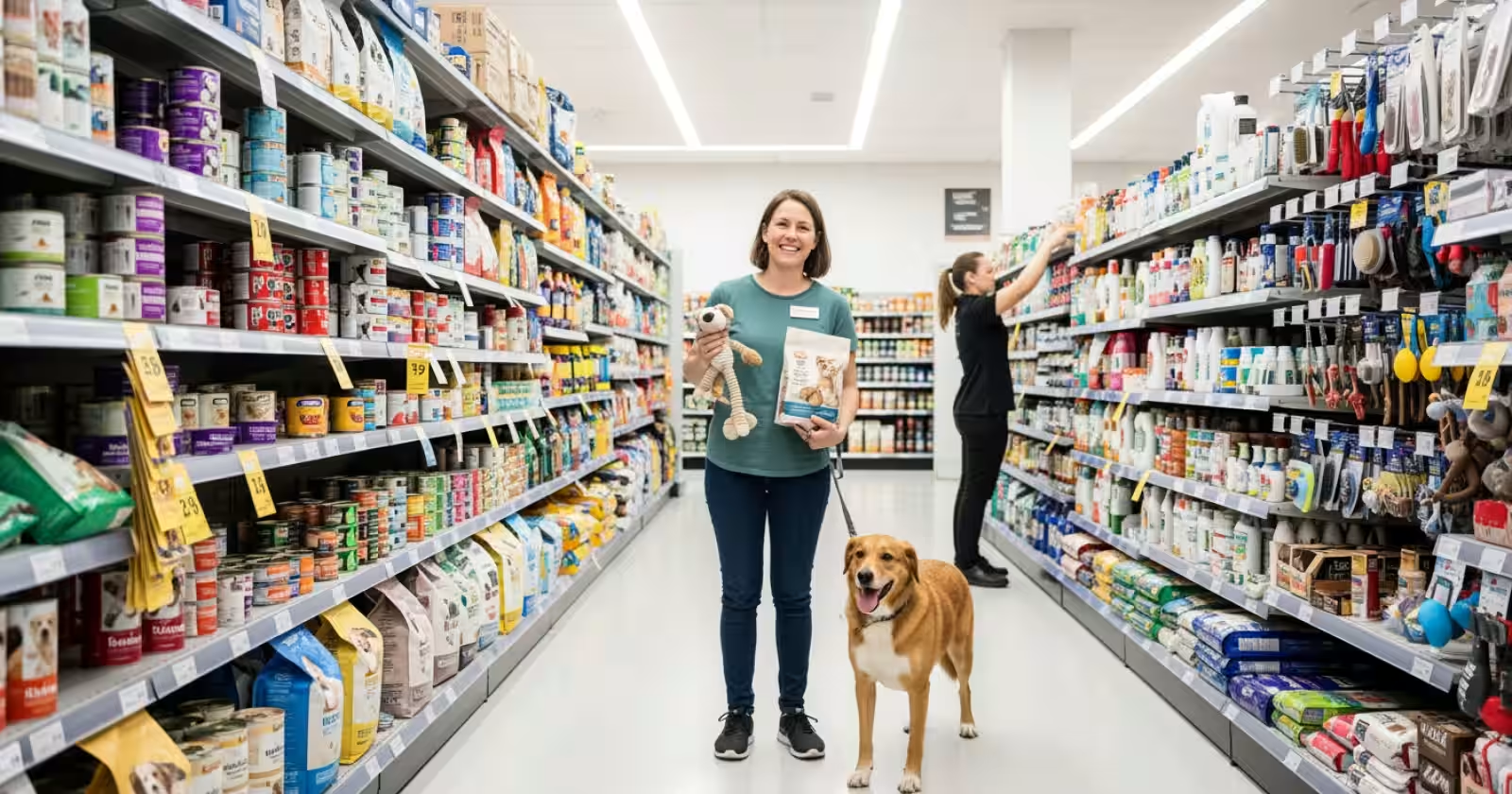
Mars Petcare is turning winter pet boredom into a retail moment, and that matters because it shifts dog care from a vague wellness message into a store-led activation. For FMCG teams, the signal is clear: pet care is becoming more experiential, more educational and more tied to shopper dwell time.
The Advance brand’s new Sniffari installation has gone live in Petbarn stores nationwide for the winter period. It pairs scent stations with quick health and wellbeing tips, while a new snuffle ball gives owners a way to replicate the activity at home.
What Is the Sniffari and Why It Matters for FMCG
The Sniffari is an in-store interactive activation built around a dog’s strongest sense: smell. Rather than asking shoppers to scan a display and move on, it creates a small experience that links product education, seasonal pet care and impulse purchase behaviour.
That matters because pet care is no longer just a commodity shelf business. Brands are increasingly selling routines, reassurance and problem-solving, especially when weather, lifestyle and animal wellbeing affect buying behaviour. In Australia, winter is a useful trigger because shorter walks and wet conditions can reduce pet activity and change the sort of products owners look for.
For Mars Petcare, the activation also helps move the conversation beyond feeding into enrichment. That gives the brand a cleaner route into premiumisation, especially where pet owners are willing to pay for products that promise mental stimulation as well as convenience.
Mars Petcare’s Petbarn rollout and the Advance range
The company says the Sniffari has launched across Petbarn locations nationwide and will run throughout this month. The activation sits under the Advance dogfood brand and uses a sequence of designated scent stations to guide dogs through the display.
As the dog tracks the scent trail, owners receive short health and wellbeing tips focused on winter care. Mars Petcare has also introduced a snuffle ball product so the same style of sniffing activity can be used at home.
Here is the commercial shape of the move:
| Element | What Mars Petcare is doing | Commercial effect |
|---|---|---|
| Retail setting | Petbarn stores nationwide | Turns a routine shop into a branded experience |
| In-store mechanic | Scent stations for dogs | Increases engagement time and product recall |
| Consumer education | Winter health and wellbeing tips | Frames the brand as a care partner, not just a food supplier |
| At-home extension | Snuffle ball product | Creates a second sale beyond the store visit |
The logic is straightforward. The in-store activation captures attention, and the product gives shoppers something concrete to take away. That is a familiar FMCG play, but it works especially well in pet care because owners are usually buying for an animal they know well and want to keep comfortable.
How the winter behaviour data shapes the pitch
Mars Petcare is leaning on data showing household pets experience a 48 per cent decline in activity levels during colder seasons as outdoor walking time drops. That figure gives the campaign a practical hook and helps explain why the brand has built the message around indoor enrichment rather than exercise alone.
The brand’s own advice is split into five areas: indoor games, cognitive training, social bonding, sniffing stimulation and in-store activation. In effect, the Sniffari is the front-end of a wider seasonal care strategy, with the store acting like a demo bench for behaviour-led pet products.
This is where the Mars Petcare Sniffari becomes more interesting than a standard promotional display. It connects a cold-weather consumer problem with a product format that can be repeated at home, which is exactly the sort of bridge that helps pet brands defend shelf space in a crowded category.
What this does not change in the pet care aisle
The activation does not change the underlying power balance in pet retail. Petbarn still controls the shop floor, the timing and the shopper journey, so Mars Petcare is buying attention rather than owning the channel.
It also does not prove the snuffle ball will become a meaningful volume driver. The source confirms the product launch, but not the sales expectation, and there is no disclosed uplift from the activation itself.
The Sniffari may lift engagement, yet it remains a seasonal campaign. Once winter passes, the commercial value will depend on whether the brand can turn interest into repeat purchase rather than a one-off novelty.
For pet brands, category managers and retailers, the immediate winners are likely to be those who can turn winter care into basket-building. I would expect the strongest effect on premium dogfood, enrichment accessories and any supplier that can link wellbeing messaging to a tangible product in store.
The bigger picture for experiential FMCG retail
The Sniffari fits a broader shift in FMCG toward shopper experiences that do more than advertise. In pet care, health, enrichment and education are converging, and the brands that can make that feel useful rather than gimmicky will usually win the better shelf conversations.
For retailers, the appeal is obvious. Experiences can create dwell time, build trust and support higher-margin add-ons, which matters when category growth is harder to find. For suppliers, it is a reminder that product innovation now needs a retail story attached, not just a formulation claim.
If Mars can keep translating seasonal pet behaviour into retail theatre and repeatable products, the next question for the category is how quickly rivals copy the formula.
If you are tracking how pet care, premiumisation and store-based activation are reshaping FMCG shelf strategy, this is a campaign worth briefing your team on now.