
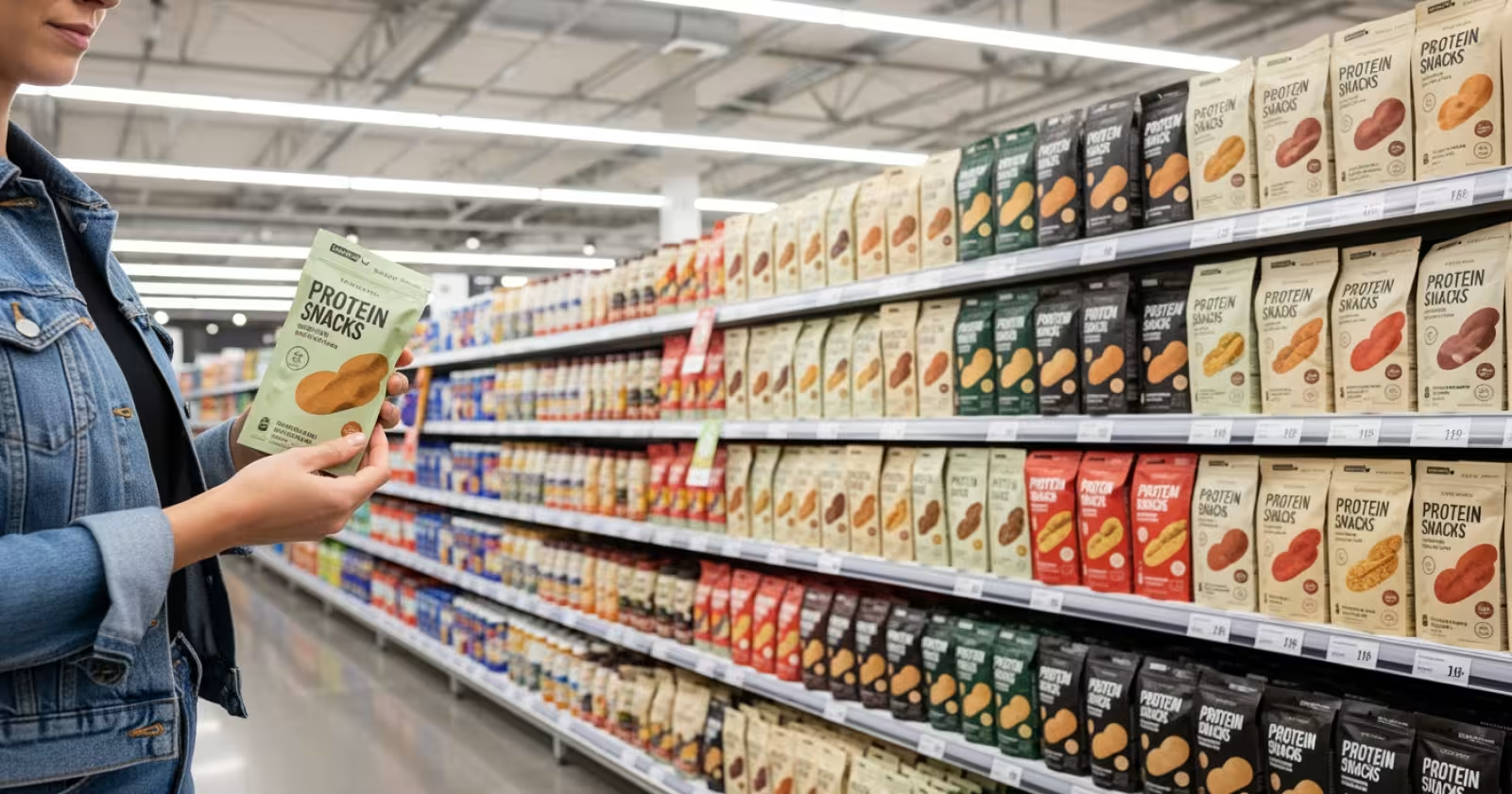
Legume snacks are moving from niche health channels into the kind of shelf space where mainstream buyers start paying attention. Hey! Chips’ new legume-based product range matters because it speaks directly to two pressures now shaping snack aisles: more protein, and fewer ultra-processed cues.
For FMCG teams, that makes this more than another better-for-you launch. It is a signal that plant-based snacking is still fragmenting into tighter subcategories, with texture, ingredient simplicity and nutrient positioning doing the heavy lifting.
What Is Superbeans and Why It Matters for FMCG
Superbeans is the latest line from Singapore-based snack brand Hey! Chips, built around whole edamame, chickpeas and hand-mixed herbs. The company says it was developed in a home kitchen and launched to answer consumer demand for protein and fibre options that avoid synthetic additives.
That matters because shoppers are becoming more label-literate while also staying wary of health claims that sound processed. In Australia, that tension is visible across snack foods, where brands are being pushed to deliver crunch, flavour and convenience without relying on commercial flavourings or artificial isolates. The legume-based product range fits squarely into that gap.
Hey Chips Superbeans Launch and the Retail Signal Behind It
The company confirmed Superbeans is part of a broader retail expansion for Hey! Chips, but it did not disclose specific Australian listings, pricing or pack formats in the source material. What is clear is the positioning: this is not a standard corn chip or puffed snack, but a legume-led product aimed at shoppers looking for a more functional snack option.
Hey! Chips says the range uses vacuum technology to create a crisp texture while reducing oxidation and helping minimise nutrient loss during production. That process detail matters commercially because texture often decides repeat purchase in snack foods long before the nutrition panel does. If the bite feels flat, the health message rarely saves it.
| Attribute | Superbeans | Typical mainstream snack chips |
|---|---|---|
| Core ingredients | Whole edamame, chickpeas, herbs | Often refined starches or blended bases |
| Positioning | Protein and fibre, cleaner label | Enjoyment-led, flavour-first |
| Processing claim | Vacuum technology for crispness and reduced oxidation | Standard frying or extrusion methods |
| Consumer appeal | Better-for-you snacking | Everyday snack occasion |
From a category perspective, this is the kind of product that can open a new subsegment without needing a total aisle reset. Buyers already know protein snacks sell, but they also know too many products in the segment lean on bars, powders or obvious sports-nutrition cues. A legume-based product range gives retailers a more food-like option with a clearer everyday snacking role.
How the Process Shapes Shelf Performance
The production method is as important as the ingredient list. Vacuum technology can help preserve colour and flavour stability, which gives suppliers a better shot at consistent shelf performance and less risk of the stale or oily notes that turn off repeat buyers.
For retailers, that matters because snack aisles reward products that can travel well, hold texture and survive promotion cycles without losing appeal. It also gives the brand a stronger story for natural and health-led channels, where ingredient integrity can be as important as taste.
What This Does Not Change
This launch does not mean legume snacks will suddenly displace established chip brands or private label. Retailers still control shelf access, ranging and promotional frequency, and those levers matter more than product philosophy alone.
The source also does not confirm local manufacturing, Australian retail listings or any sales targets. Without that detail, the commercial impact remains promising but early, especially in a market where better-for-you snacks often face tighter price scrutiny than mainstream competitors.
For brands, foodservice buyers and grocery teams, the near-term winners are likely to be those already chasing protein-led snacking, natural ingredients and cleaner labels. If the product lands in Australian retail, the strongest response will probably come from specialty grocers, health-led independents and buyers looking to refresh better-for-you shelves without adding another bar to the mix.
Why Legume-Based Snacking Is Getting Real Shelf Attention
This launch sits inside a wider shift in snack development. FMCG businesses are trying to solve the same problem from different angles: how to make processed food look and feel less processed, while still delivering flavour, convenience and margin.
That is why Hey Chips Superbeans is worth watching. It combines the current language of protein, fibre and cleaner ingredients with a format that still behaves like a snack, not a supplement. In a crowded aisle, that distinction can decide whether a brand becomes a trial purchase or a repeat habit.
If Hey! Chips can turn the legume-based product range into a consistent retail performer, it will show just how far the better-for-you snack aisle can stretch without losing its commercial edge.