
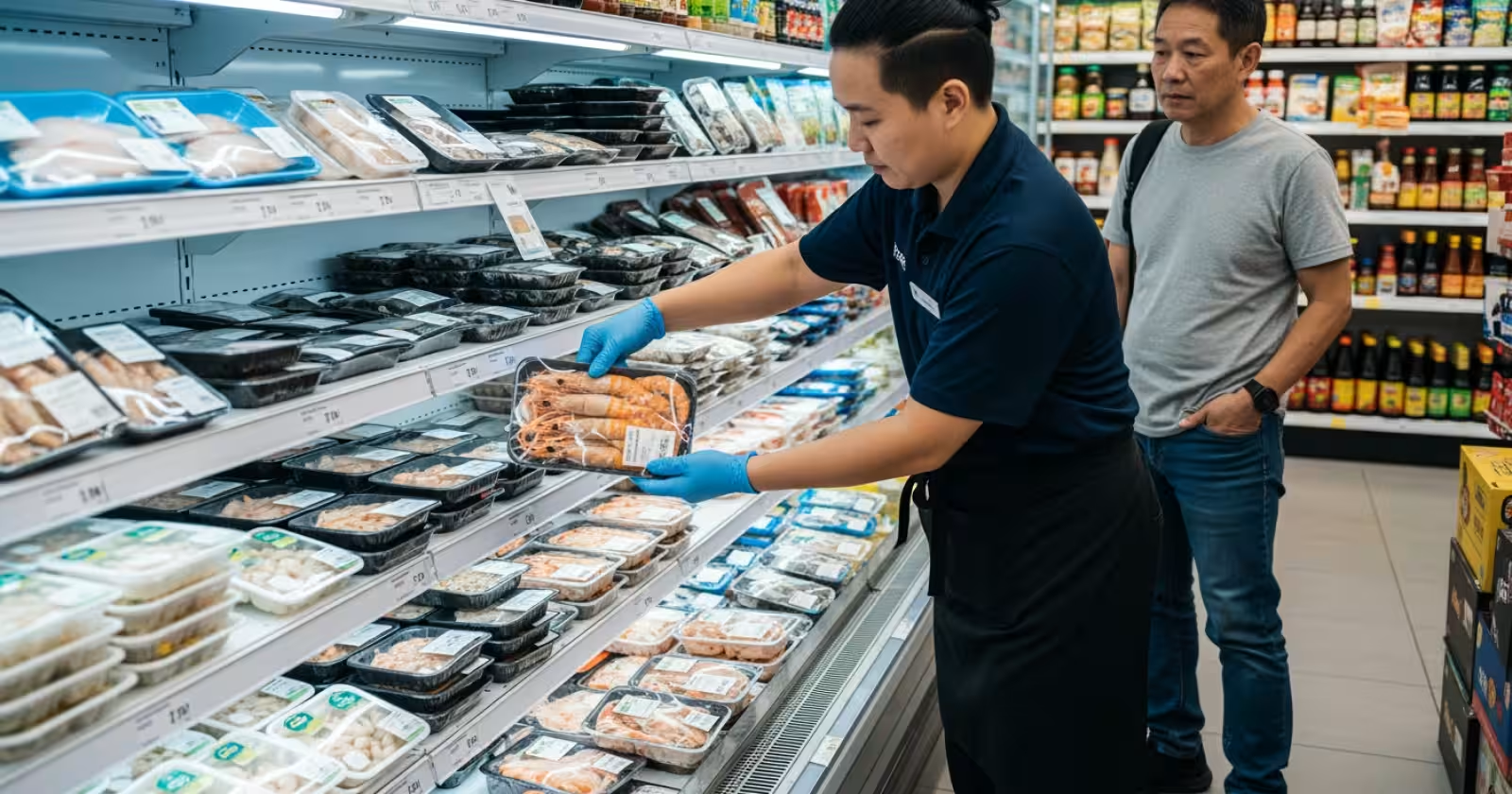
A recall of imported seafood may sound routine, but it matters fast when the product sits in Asian grocers and independent stores, where suppliers and buyers often move on tighter margins and less room for error. In this case, the issue is not quality or taste, but a chemical residue that puts compliance squarely in the frame.
ASO United has recalled its Cooked Scampi Shrimp Head-On Shell-On 1kg after Nitrofurazone, also referred to as SEM, was detected. For FMCG teams, the point is clear: a food safety recall can move from a supplier problem to a retailer problem in hours, especially in category pockets where trust and repeat purchase do the heavy lifting.
What is the ASO United scampi shrimp recall and why it matters for FMCG
This ASO United recall is a reminder that seafood compliance risks do not stop at the border or at the warehouse door. Once a product reaches Asian grocers and independent retail stores in Victoria, the retailer inherits the obligation to remove stock, brief staff, and manage customer complaints.
For suppliers, this kind of incident can damage distributor confidence well beyond one SKU. For buyers, it is another example of why ingredient provenance, testing, and traceability now sit alongside price and fill rate in procurement decisions.
The category context matters too. Frozen and chilled seafood often relies on long shelf life, imported supply chains, and narrow specialist routes to market. That makes a recall like this commercially awkward as well as operationally messy.
ASO United recall details for cooked scampi shrimp head-on shell-on
The company confirmed the recall applies to Cooked Scampi Shrimp Head-On Shell-On, sold in a 1kg pack. The affected product carries the Best Before 28/03/2028 date mark, and it was available for sale through Asian grocers and independent retail stores in Victoria.
The recall was issued because Nitrofurazone was detected, with SEM identified as the residue of concern. Consumers were advised not to eat the product, as SEM may cause illness or injury if consumed.
Customers who bought the product have been told to return it to the place of purchase for a full refund. Anyone worried about their health has been advised to seek medical advice.
| Recall detail | Confirmed information |
|---|---|
| Product | Cooked Scampi Shrimp Head-On Shell-On |
| Pack size | 1kg |
| Issue | Nitrofurazone (SEM) detected |
| Distribution | Asian grocers and independent retail stores in Victoria |
| Date mark | Best Before 28/03/2028 |
| Consumer action | Do not eat; return for full refund |
How the recall works in store and at the shelf
In practice, a recall like this runs through the usual FMCG chain: supplier notice, stock identification, store removal, and consumer redress. The shelf impact can be immediate if the product sits in frozen cabinets or specialist seafood bays where one missing item is obvious to staff and shoppers alike.
The commercial challenge is that independent stores often rely on lean back-of-house systems. That means a clear batch or date mark becomes crucial, because staff need to identify the right stock quickly and avoid over-removing unaffected product.
For retailers, the recall also creates a communications job. Staff need a simple message for customers, while managers need confidence that the affected product is isolated and any remaining inventory is traceable.
For suppliers, the bigger lesson is that a product recall does not just trigger a refund. It can also create questions from distributors, insurers, and trading partners about how the product was sourced, tested, and cleared for sale in the first place.
What this ASO United recall does not change
This recall does not automatically mean every seafood product from the same channel is affected. The notice is limited to one named SKU and one date mark, and the source material does not suggest a broader category issue.
It also does not confirm the size of the recall, the number of packs in market, or whether any illness has been reported. Those details were not disclosed, so the commercial impact should be treated as localised rather than systemic.
Even so, the reputational cost can travel further than the stock itself. In specialist grocery, one compliance failure can influence how buyers view a supplier’s control culture across the whole range.
Retailers with strong food safety processes will benefit first, because they can pull stock quickly and keep customer disruption low. Suppliers who can show disciplined testing and traceability will also be better placed when buyers revisit sourcing decisions, especially in imported seafood and other higher-risk categories.
The bigger picture for food recalls and imported seafood compliance
This ASO United recall sits inside a wider FMCG pattern: regulators, retailers, and shoppers now expect faster proof that products are safe, labelled correctly, and traceable back to source. That pressure is especially strong in categories that move through independent retail, where formal systems can vary from one store to the next.
For importers and category buyers, the lesson is not just about removing one product. It is about tightening supplier approval, residue testing, and recall response before a problem reaches the shelf.
If you handle seafood, imported grocery, or independent retail supply, this is the kind of recall that deserves a hard internal review, because the next one may be wider and far more costly.