
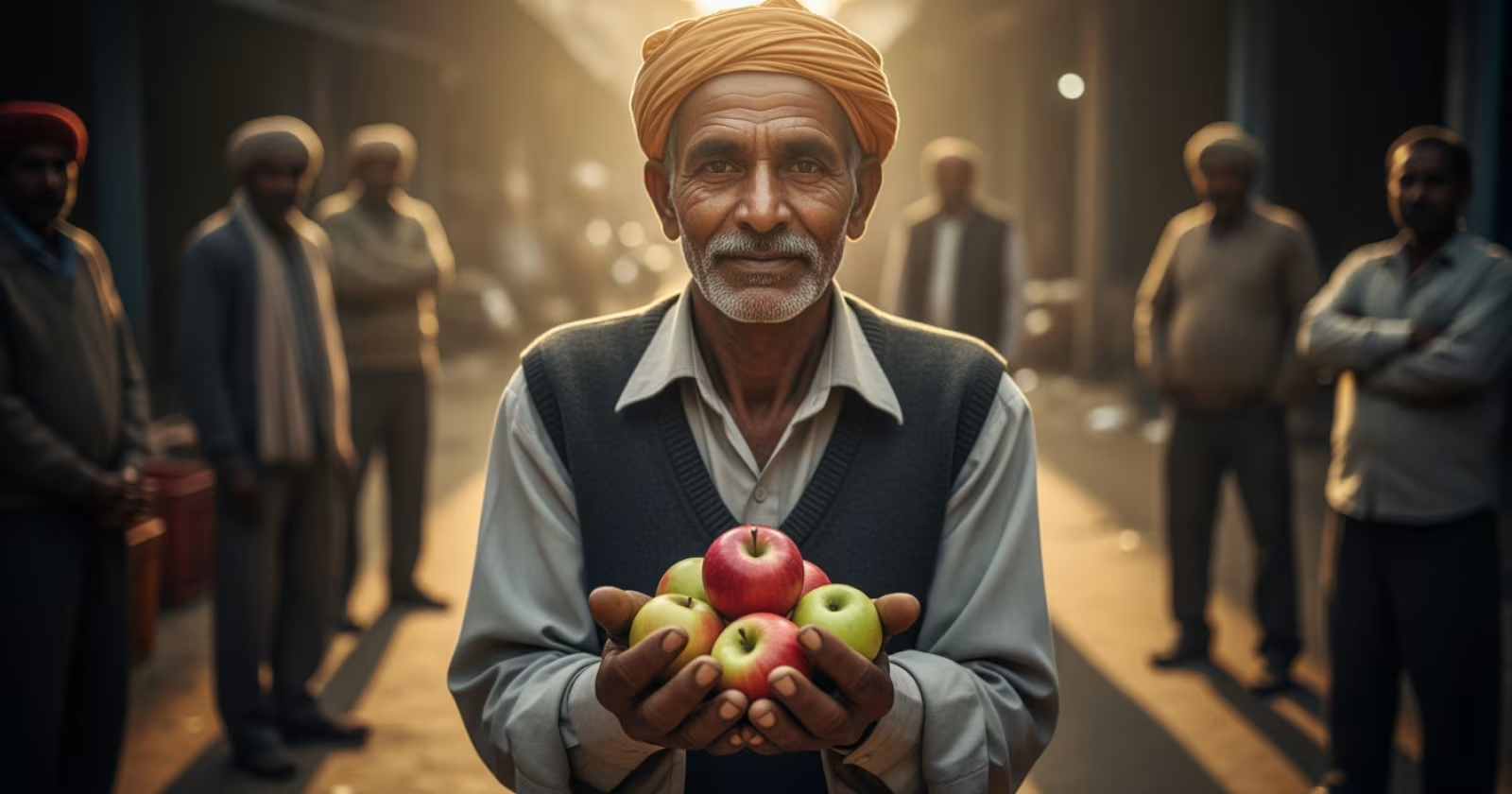
In the autumn of 2023, a small-holding apple farmer in Kotkhai, Shimla district, watched a commission agent in Delhi’s Azadpur Mandi sell his Royal Delicious apples at ₹120 per kilogram — while he had received just ₹38 per kg at the farm gate. The arithmetic was brutal: the middleman chain swallowed roughly 60% of the final consumer price, leaving the person who actually grew the fruit with barely enough to cover inputs. That farmer’s name was among the first 200 to join a restructured fruit growers’ cooperative that would, within two seasons, change the equation entirely.
I have been tracking the cooperative movement in India’s hill states for years, and what happened next in Himachal’s apple belt is one of the most compelling turnaround stories I have encountered. It is not a story of government subsidy alone — it is a story of growers choosing collective bargaining over individual helplessness.