
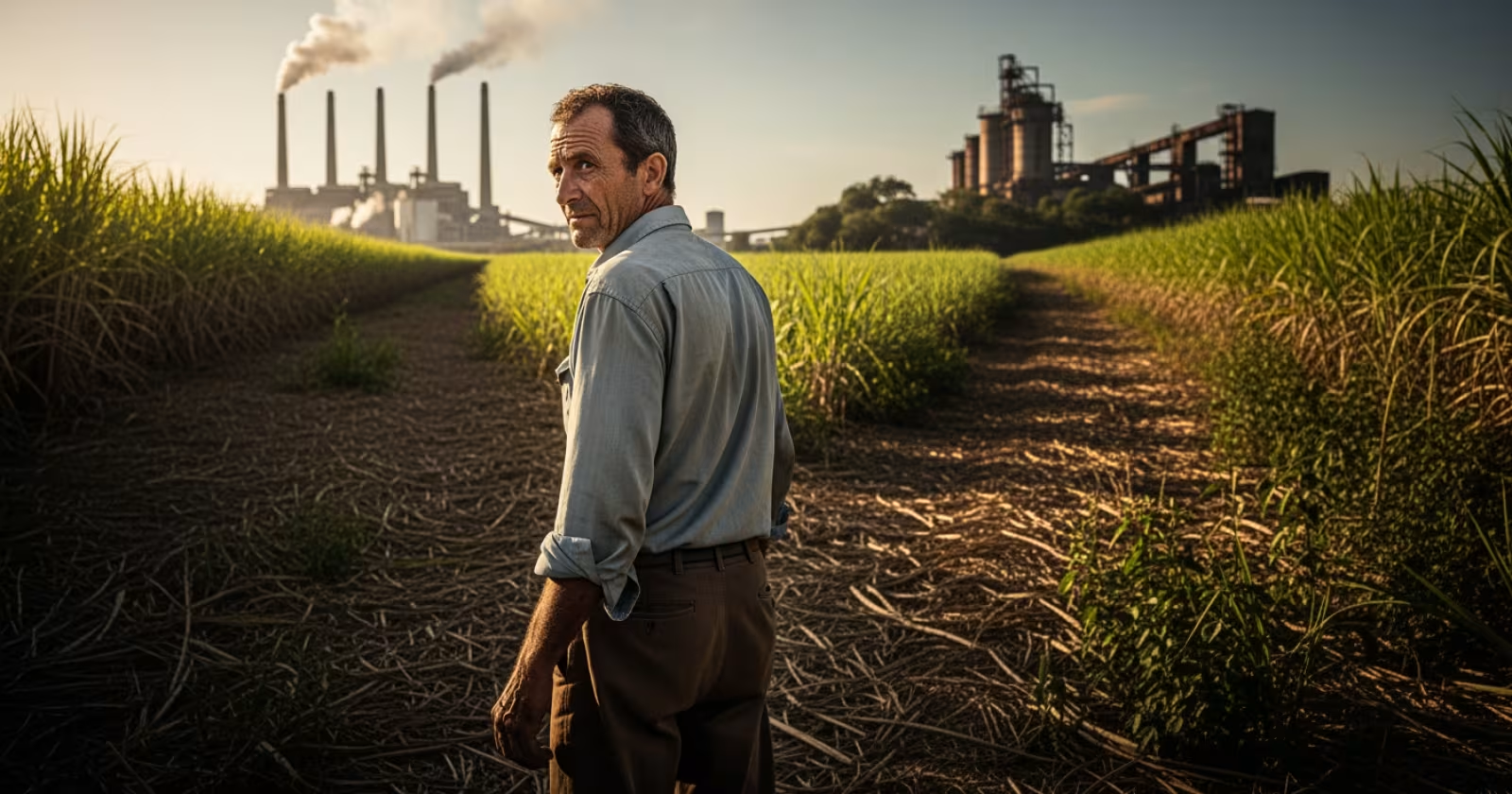
In Shamli district, barely two hours from Delhi, a rusted padlock hangs on the gates of a cooperative sugar mill that once crushed 2,500 tonnes of cane daily. Weeds push through the concrete yard. The boiler house, silent since the 2019-20 season, looks like an industrial ruin. Seven kilometres east, another cooperative mill — similar vintage, similar capacity — hums through the crushing season, pays farmers within fourteen days, and posted an operating surplus of approximately ₹11 crore last year. I have spent months trying to understand what separates the dead from the living in Uttar Pradesh’s cooperative sugar sector, and the answer is far more uncomfortable than “poor management.”
Uttar Pradesh produces more sugar than any other Indian state — over 12 million tonnes in the 2026-26 season by most estimates. Yet its cooperative sugar mills, once envisioned as farmer-owned engines of rural prosperity, are overwhelmingly sick. Of the 100-plus cooperative mills established across the sugar belt spanning Muzaffarnagar, Shamli, Meerut, Saharanpur, Bijnor, and parts of Rohilkhand, only a fraction operate at viable capacity today. The rest are closed, partially functional, or surviving on government lifelines.