
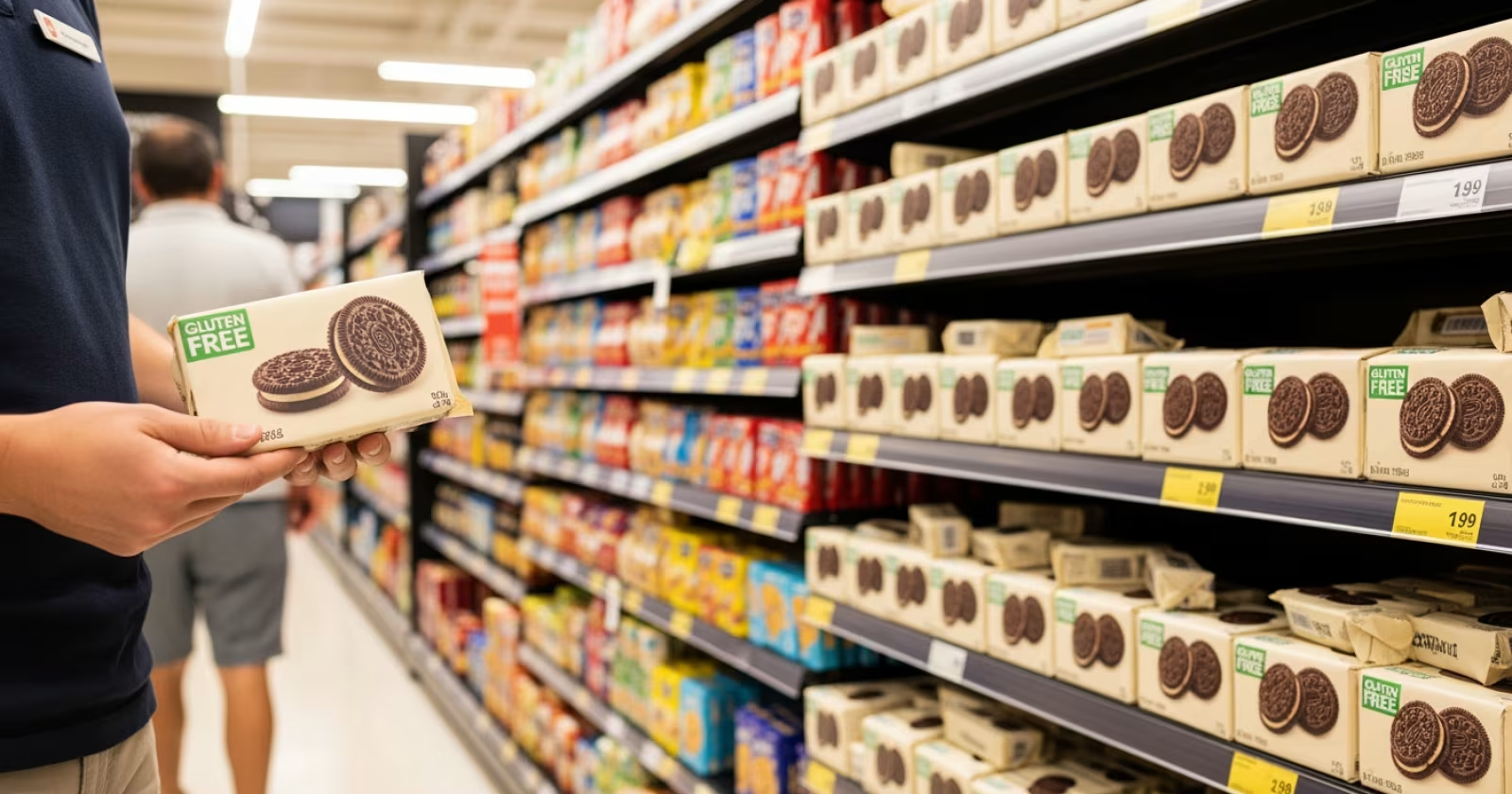
Gluten-free biscuits have moved from niche to mainstream, and Mondelez is now putting one of the category’s most recognisable names behind that shift. The launch of Oreo Gluten Free Original gives the brand access to a grocery segment that is already large enough to matter on shelf, not just in health aisles.
For buyers and brand teams, the commercial point is simple: this is not a side project. It is a mainstream biscuit play designed to win incremental shoppers, protect velocity and give retailers another high-recognition option in the gluten-free aisle.
What Oreo gluten-free cookies mean for FMCG
Oreo gluten-free cookies matter because they combine brand familiarity with dietary need. In FMCG terms, that is a strong shelf proposition: it lowers trial risk for shoppers and gives retailers a product with clearer rotation potential than a low-awareness health label.
The broader market backdrop helps explain the move. Mondelez cited Quantium data showing 36.8 per cent of Australian shoppers purchase gluten-free products across supermarkets. That does not mean all of them buy only gluten-free food, but it does confirm the aisle has moved well beyond a specialist audience.
For the biscuit category, that matters because gluten-free shoppers often face a trade-off between choice and taste. A household name changes that calculation, especially in a category where repeat purchase depends heavily on trust and familiarity.
Oreo gluten-free cookies launch details across Woolworths, Coles and IGA
Mondelez International has introduced Oreo Gluten Free Original to the Australian market. The product keeps the familiar chocolate sandwich format with vanilla creme filling, but the company says it is manufactured without gluten ingredients.
The 95g pack carries an RRP of $4.50 and is already available at Woolworths. Coles will range it from 15 June, while IGA will follow on 18 June. That staged rollout suggests a standard retail listing sequence rather than a one-off promotional drop.
Mondelez said the launch follows strong consumer demand for gluten-free options in a format that feels more like a treat than a compromise. The company also paired the launch with two gluten-free dessert recipes, one for brownies and one for a no-bake cheesecake, which is a modest but useful way to build usage beyond straight snacking.
| Product | Pack size | RRP | Retail availability | Launch timing |
|---|---|---|---|---|
| Oreo Gluten Free Original | 95g | $4.50 | Woolworths | Available now |
| Oreo Gluten Free Original | 95g | $4.50 | Coles | 15 June |
| Oreo Gluten Free Original | 95g | $4.50 | IGA | 18 June |
The product sits within a broader Mondelez footprint in Australia that includes Cadbury Dairy Milk, The Natural Confectionery Company, In A Biskit, Olina’s Bakehouse and Philadelphia Cream Cheese. The company also operates six manufacturing sites and one national distribution centre locally, which gives it the network depth to support a national grocery launch.
How the gluten-free biscuit strategy works on shelf
This kind of launch works because it turns a premium dietary need into a recognisable brand purchase. On shelf, that can be the difference between a shopper walking past a specialist brand and adding a familiar name to the basket without much hesitation.
It also helps retailers manage category performance. Gluten-free grocery lines need enough credibility to win trial, but they also need enough mainstream recognition to keep turning. A global leader in retail value share, as Euromonitor International describes Oreo, brings that kind of pull.
For suppliers, the lesson is that gluten-free innovation now has to do two jobs at once. It has to meet dietary expectations, and it has to earn its place in a crowded pantry with brand strength rather than only functional claims.
Why this does not change the gluten-free aisle overnight
This launch will not reshape the grocery category on its own. Coles, Woolworths and IGA still control shelf space tightly, and gluten-free range decisions will continue to depend on sales performance, margin and shopper demand.
It also does not solve every supply issue in the category. A branded biscuit can lift attention, but retailers still need to balance ranging, price architecture and promotional pressure across health, mainstream and own-label products.
The launch also leaves open the question of how broadly the product will be distributed beyond the initial supermarket rollout. Mondelez has confirmed the major grocery channels, but not every channel detail.
For gluten-free shoppers, retailers and category managers stand to benefit first. I would expect the earliest commercial gains to show up in Woolworths, then across Coles and IGA as the listing beds in and the product proves whether branded gluten-free biscuits can hold their own outside launch momentum.
The bigger picture for branded gluten-free grocery
I see this as part of a wider shift in Australian FMCG, where diet-specific products are no longer confined to specialist labels or health stores. Large brands are increasingly treating gluten-free as a core supermarket occasion, not a fringe one.
That creates pressure on every competitor in the biscuit aisle. If a product with Oreo’s recognition can trade successfully in gluten-free form, then smaller suppliers will need sharper positioning, tighter pricing or stronger differentiation to stay relevant. The next round of growth in gluten-free grocery will favour brands that can combine trust, distribution and everyday appeal.
If you are managing biscuits, better-for-you snacks or supermarket range reviews, I would be taking a close look at where this sits in your category plan. The Oreo gluten-free cookies launch is another sign that the mainstream grocery aisle is absorbing more specialist demand, and that shift is only likely to deepen.