
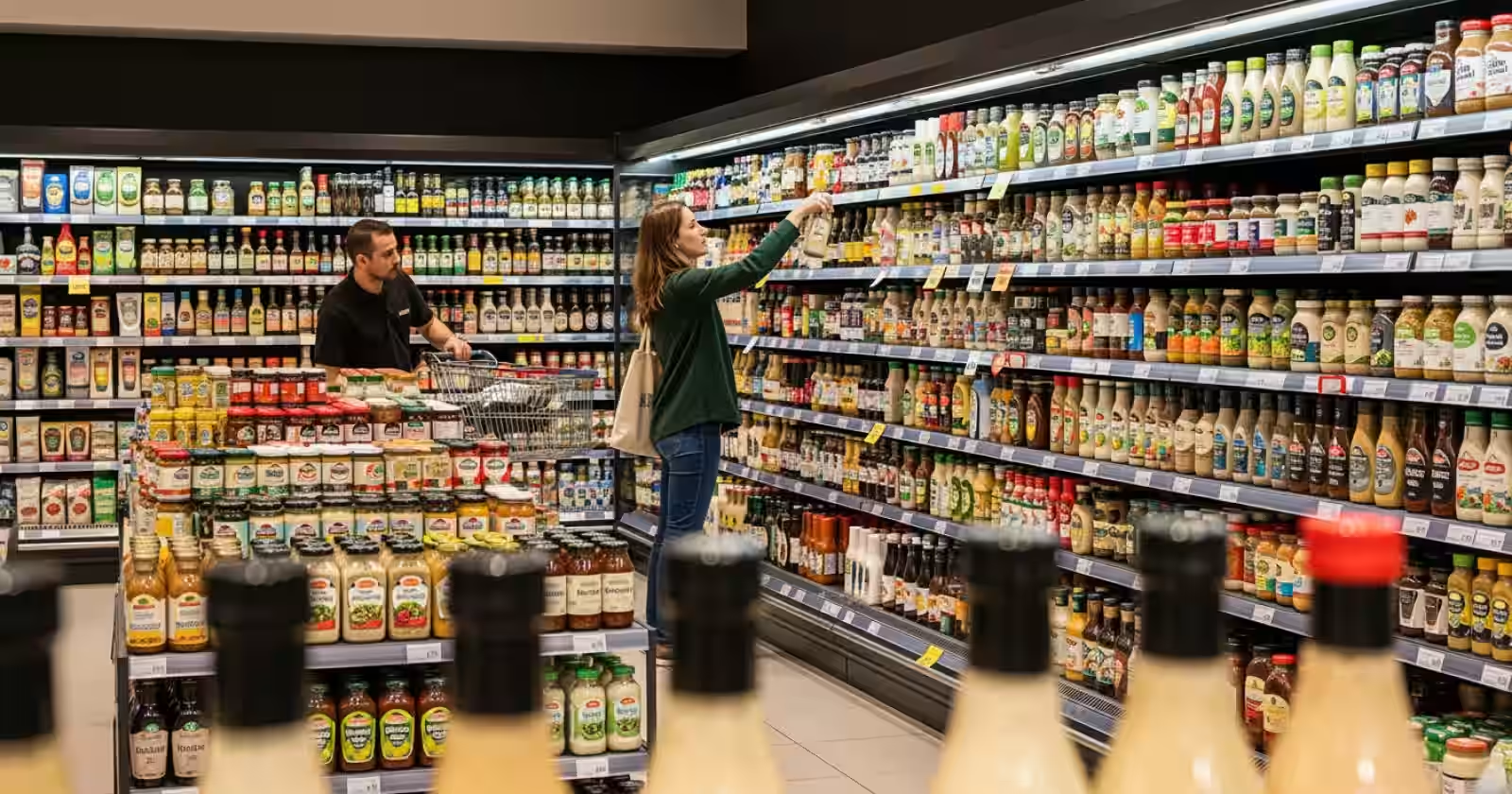
Mingle Seasoning salad dressing is the latest sign that the brand is pushing far beyond the spice aisle and into broader supermarket territory. For FMCG teams, the real signal is not just the new range, but the fact that a seasoning brand now thinks it can win shelf space in one of the most crowded centre-store adjacency plays.
The range has launched nationwide at Coles and Woolworths, with three flavours and an RRP of $6.95 for 220g bottles. That puts Mingle Seasoning salad dressing into direct contention with established dressing brands, private label and the growing field of better-for-you condiments.
What Is Mingle Seasoning Salad Dressing and Why It Matters for FMCG
Mingle started in the seasoning aisle and has built a reputation around cleaner ingredient profiles, plant-based formulations and flavour-first positioning. Its move into salad dressing matters because it shows how niche pantry brands are using brand equity to climb into adjacent categories where margins can be stronger and frequency of purchase can be higher.
In Australian grocery, dressings sit in a section where shoppers are quick to trade up if they see a health cue, a flavour cue or a convenience cue. For buyers, that means new entrants need more than a nice label. They need a clear reason to displace incumbents already fighting for limited shelf metres.
The broader category context is important too. Brands that began in seasonings, sauces or meal solutions increasingly want a second or third act in chilled, ambient or meal accompaniment lines. Mingle Seasoning salad dressing fits that pattern neatly.
Mingle Seasoning salad dressing range details for Coles and Woolworths
The company confirmed the range includes three varieties: Everything Dressing, Balsamic Dressing and Japanese-Style Dressing. The Japanese option uses yuzu and toasted sesame oil, while the full range uses avocado oil rather than the more commonly used highly processed oils.
All three dressings are plant-based, contain no artificial colours or preservatives and have less than two grams of sugar per serve. They come in 220g formats and are now available nationally through Coles and Woolworths after an initial online soft-launch last year.
| Product | Flavour profile | Pack size | RRP | Key selling point |
|---|---|---|---|---|
| Everything Dressing | Tangy vinaigrette | 220g | $6.95 | Plant-based, no artificial colours or preservatives |
| Balsamic Dressing | Mediterranean-inspired classic | 220g | $6.95 | Avocado oil base, low sugar |
| Japanese-Style Dressing | Yuzu and toasted sesame oil | 220g | $6.95 | Distinctive flavour cue for premium grocery shoppers |
That structure matters at shelf level. A three-SKU range gives the brand enough variety to present as a proper category entrant, without overloading the reset or creating too much working capital risk for the retailer.
The positioning also tells me Mingle Seasoning is aiming for the shopper who wants flavour confidence without the baggage of a heavy ingredients panel. That is a meaningful pitch in a category where many dressings still rely on commodity oils and longer additive lists.
How the range works at shelf and why buyers will watch the velocity
Mingle Seasoning salad dressing uses a familiar premium-leaning formula: recognisable flavour names, clean-label cues and a price point that sits above entry-level pantry staples but below the kind of specialist gourmet dressings that only turn once in a blue moon. It is built to look like an everyday add-on, not a once-a-month indulgence.
For supermarkets, the test will be whether the brand can generate repeat purchase outside its existing fan base. Seasonal spikes and launch curiosity are easy enough to create; maintaining velocity in a dressing bay crowded with private label and national brands is much harder.
That is especially true because the rollout follows Mingle’s earlier supermarket activity, including eight new flavours launched across Coles and Woolworths last year. In other words, the business is not asking retailers to take a blind leap. It is asking them to back a brand that has already shown it can move beyond its original aisle.
The launch also reflects a broader trend in better-for-you grocery innovation. Instead of inventing entirely new occasions, brands are reworking familiar ones with simpler ingredient lists, plant-based claims and clearer flavour stories. That can travel well on shelf, especially when the shopper is making a fast decision between a trusted label and a new one.
What this does not change in a crowded dressing aisle
This launch does not change the basic reality that Coles and Woolworths still control the gate. Range expansion does not guarantee meaningful shelf depth, and national availability does not automatically deliver repeat sales.
It also does not mean every shopper will accept a $6.95 dressing as value. The premium cue has to earn its keep through taste, usage occasions and perceived quality, especially when cheaper alternatives sit nearby.
Mingle Seasoning salad dressing should benefit most from the crossover between seasoning buyers, health-conscious shoppers and people already looking for a quick meal upgrade. The near-term gain is likely to come from trial, with the biggest upside if the brand can convert seasoning loyalty into dressing repeat.
The bigger picture for supermarket own-label and premium pantry plays
What stands out here is how quickly a once-narrow pantry brand can become a multi-category contender when it finds a clear consumer promise. That is a challenge for mid-tier dressing brands and a prompt for retailers to think harder about how many adjacent launches the shelf can support before the aisle becomes cluttered.
For the category more broadly, the move reinforces the pressure on brands to offer more than flavour. Clean ingredients, plant-based positioning and a sharper sense of use case now matter almost as much as the recipe itself. If Mingle Seasoning salad dressing lands well, expect more seasoning and sauce brands to push into adjacent meal solutions with the same playbook.
If the range proves it can hold rate of sale at Coles and Woolworths, the next question will be which other pantry categories Mingle decides are ready for a crossover.
From my perspective, this is exactly the sort of launch buyers and brand teams should watch closely, because it shows where premium grocery is still finding room to grow.