
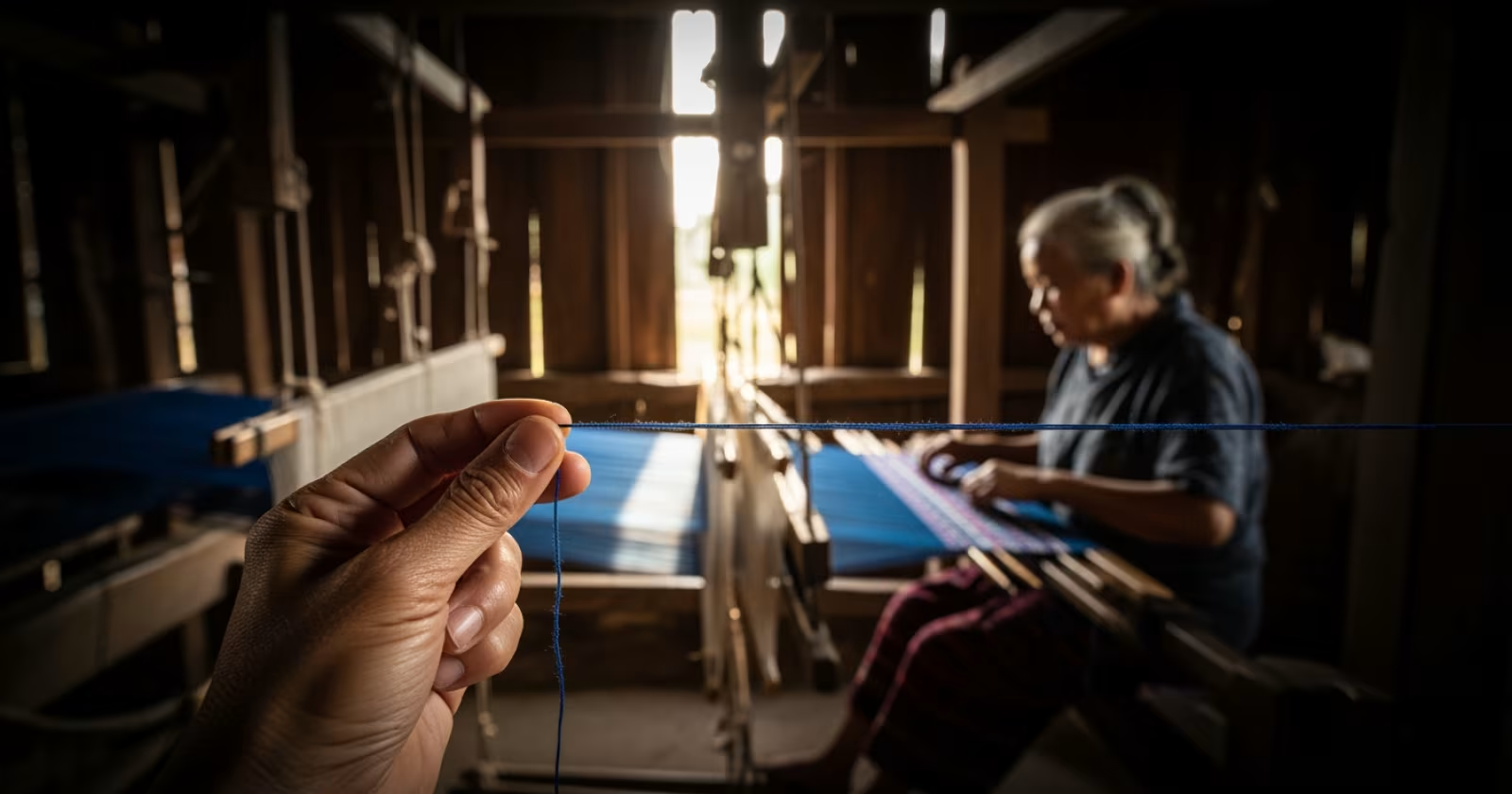
In a small cement-floored shed in Kanchipuram district, a woman named Lakshmi operates a pit loom that is older than most startups’ founding documents. She earns approximately ₹9,000 a month weaving silk sarees — each one taking four to twelve days — and she has never heard the phrase “series A funding.” Yet the organisation that buys her fabric, markets it across India, and deposits money into her bank account operates at a scale that would make many venture-backed D2C brands envious. I find that irony impossible to ignore.
That organisation is Co-optex — formally known as the Tamil Nadu Handloom Weavers’ Co-operative Society — and it connects roughly 65,000 weavers across the state to consumers through a network of showrooms, exhibitions, and increasingly, digital channels. It has no equity investors, no cap table, and no Silicon Valley pitch deck. It runs on membership fees, government support, and the sheer stubbornness of a model that was born in 1935.